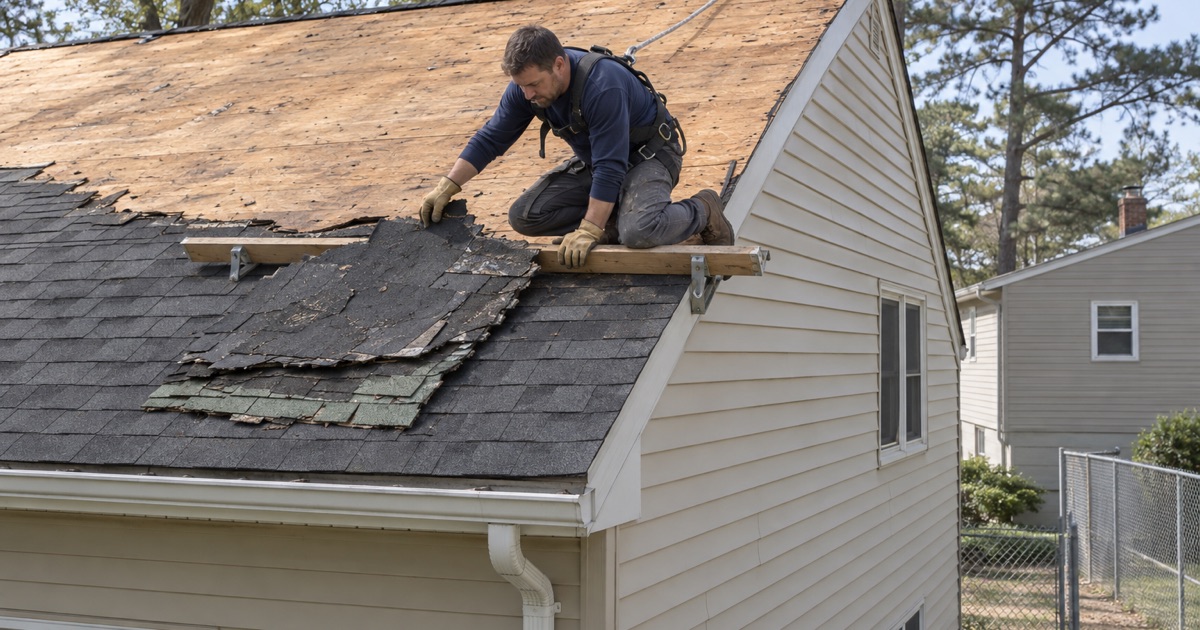
How a Full Roof Tear-Off Runs
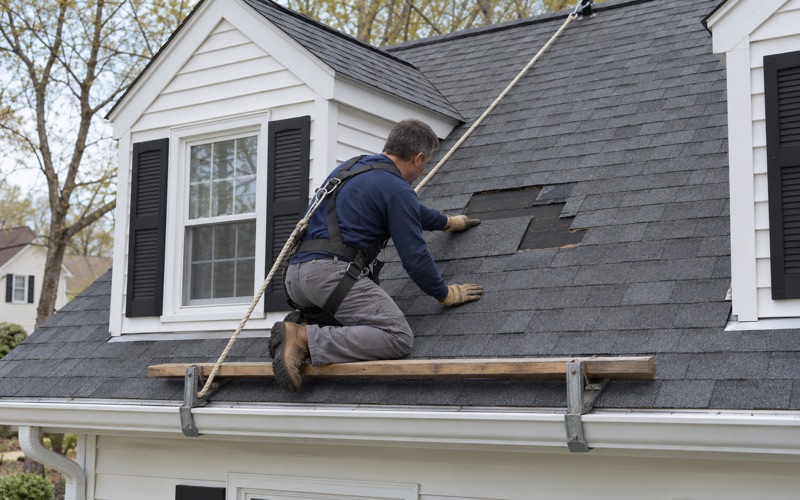
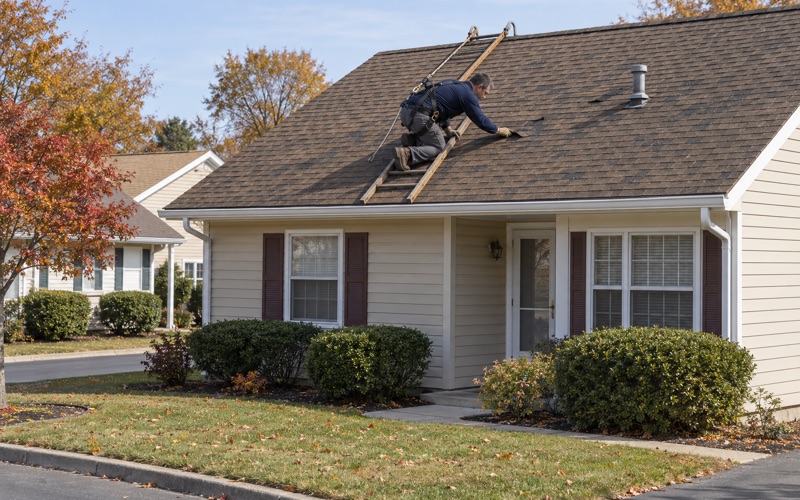
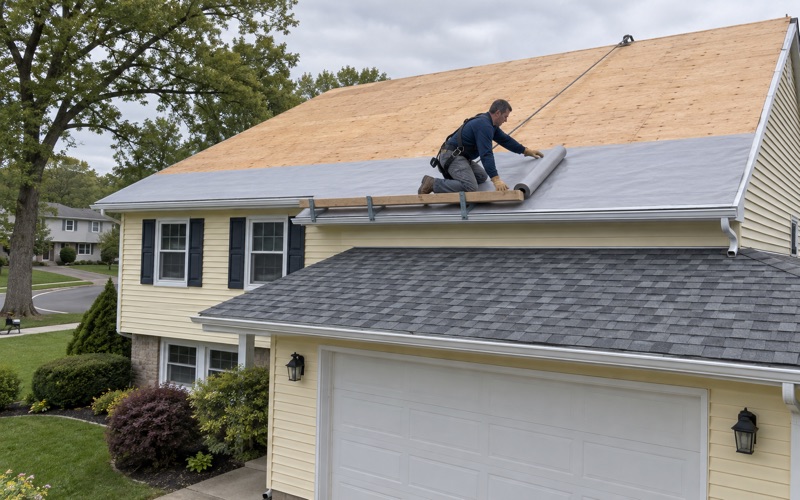
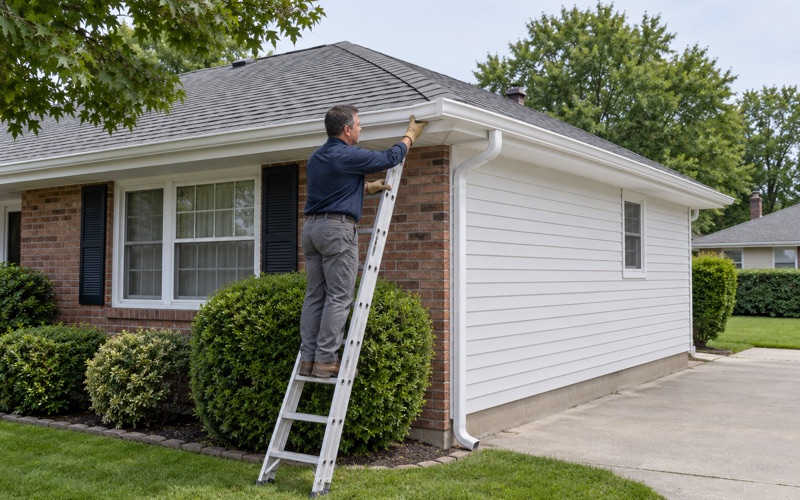
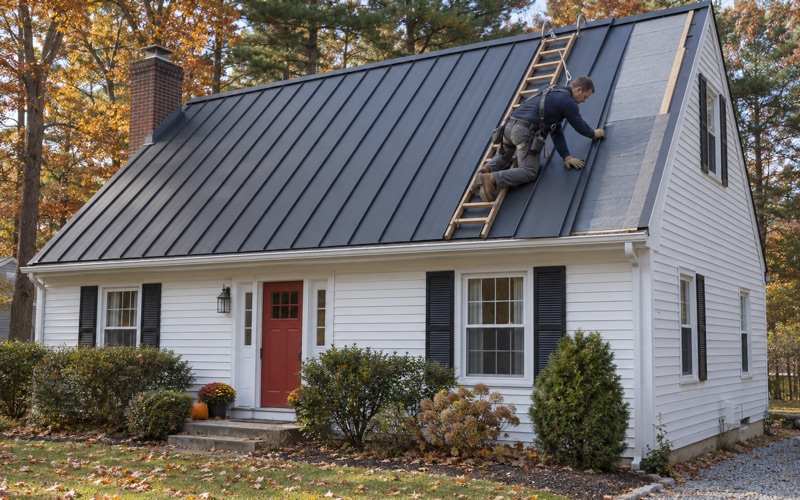
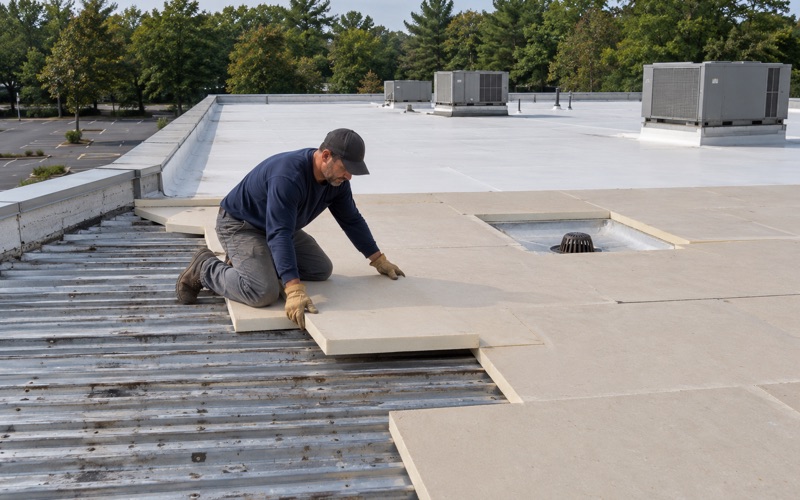
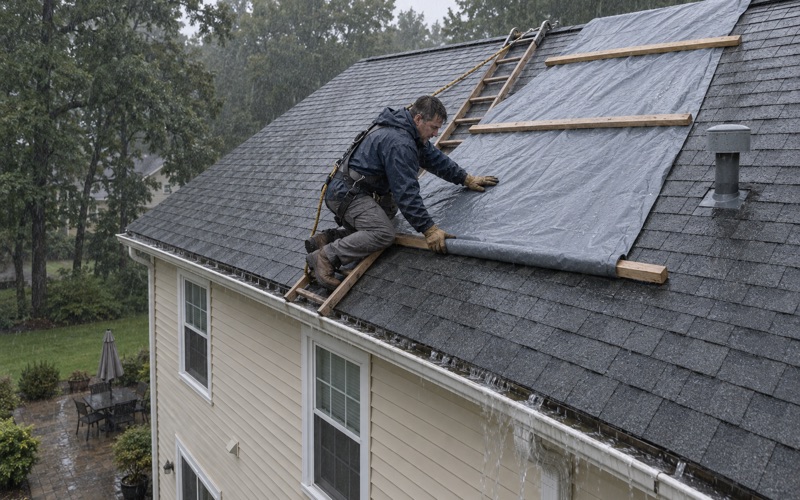
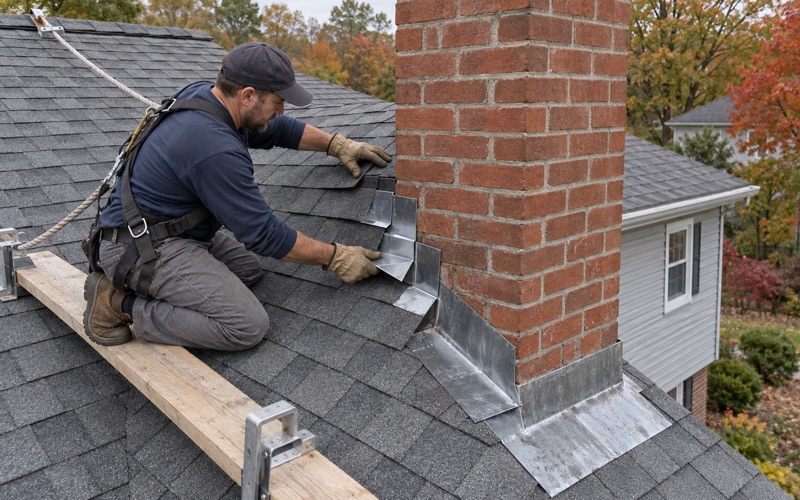
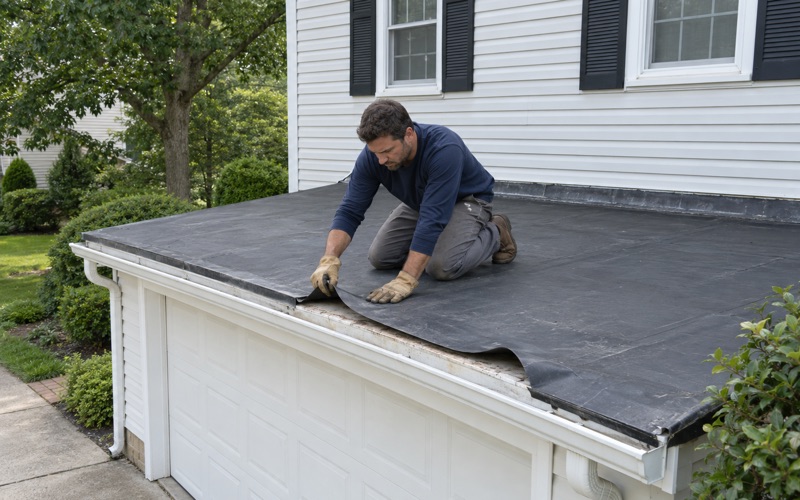
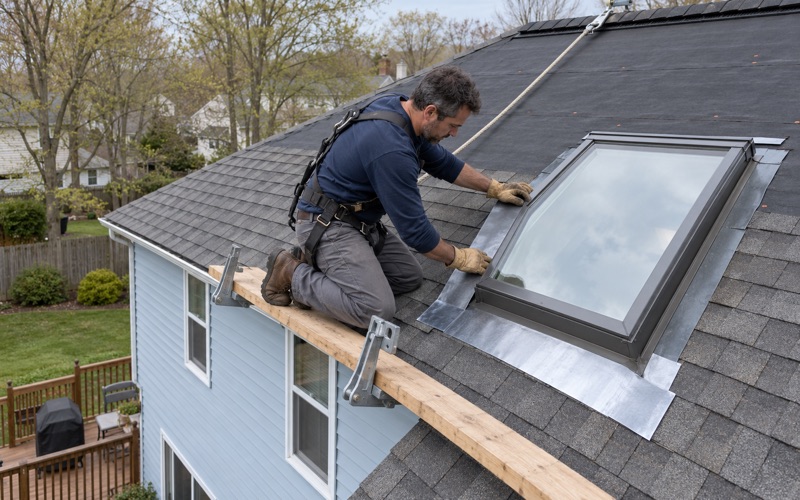
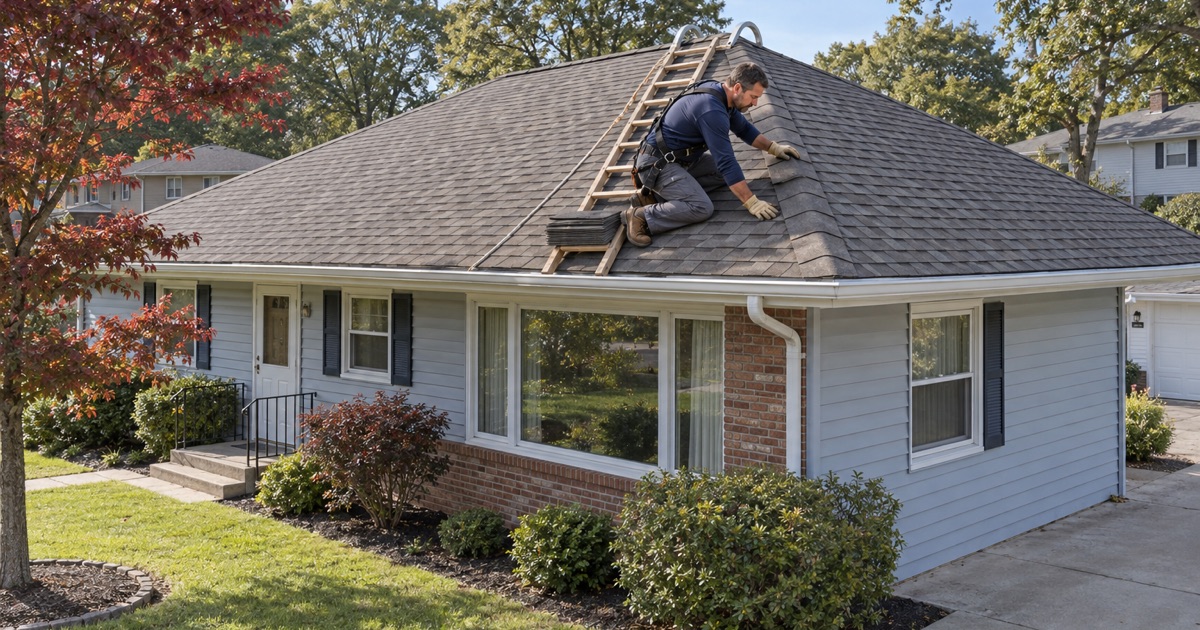
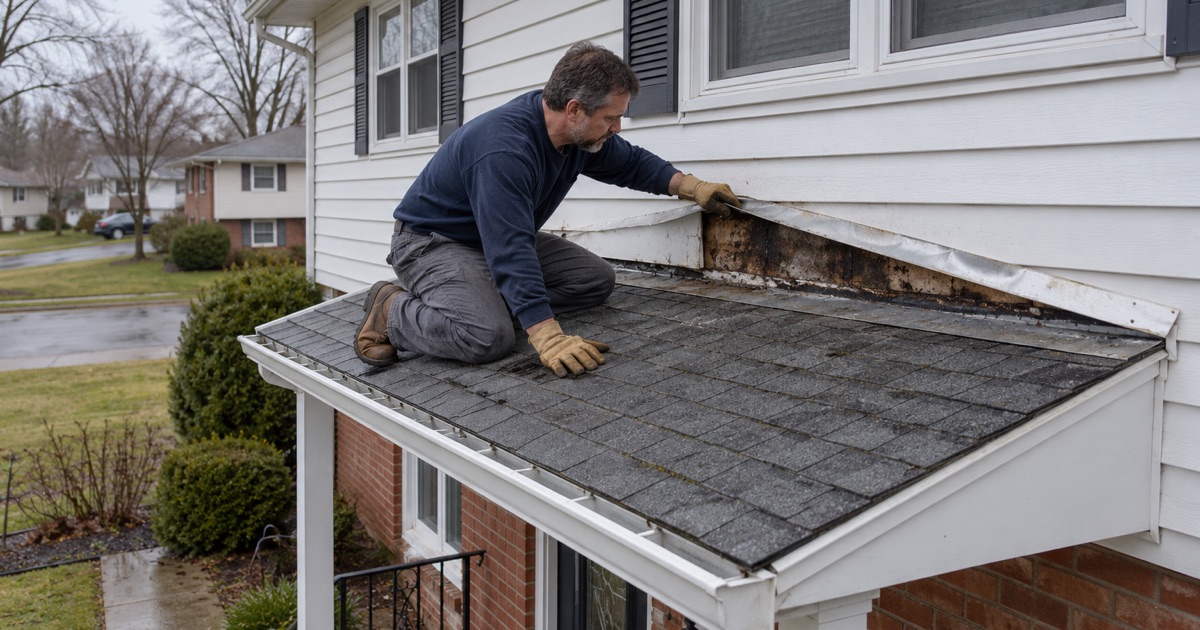
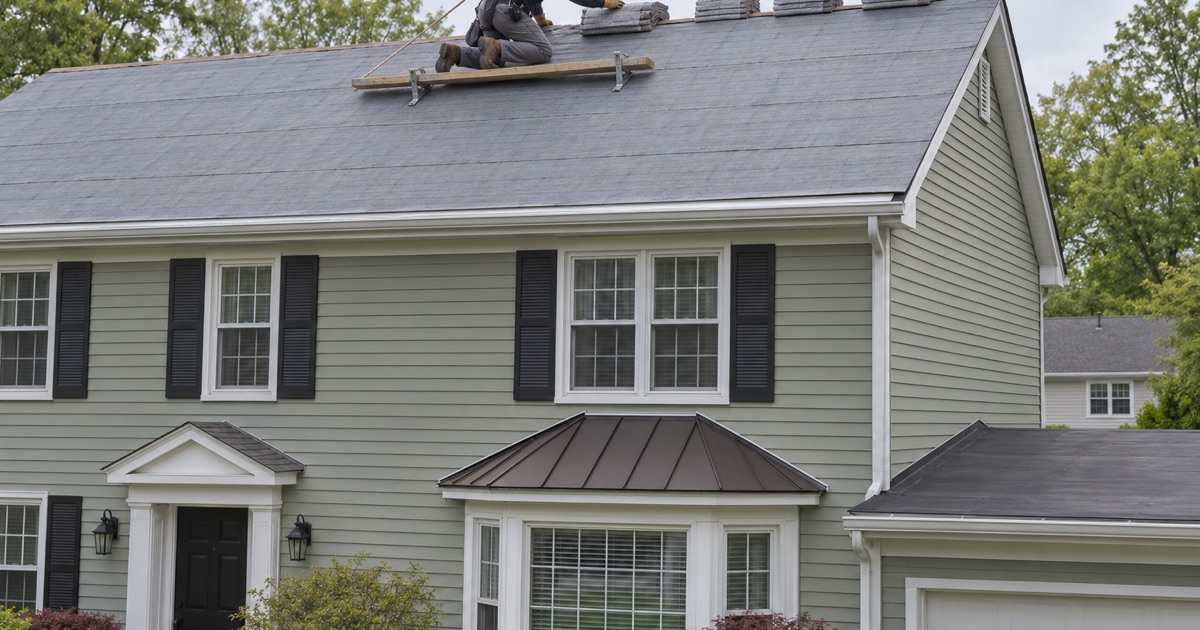
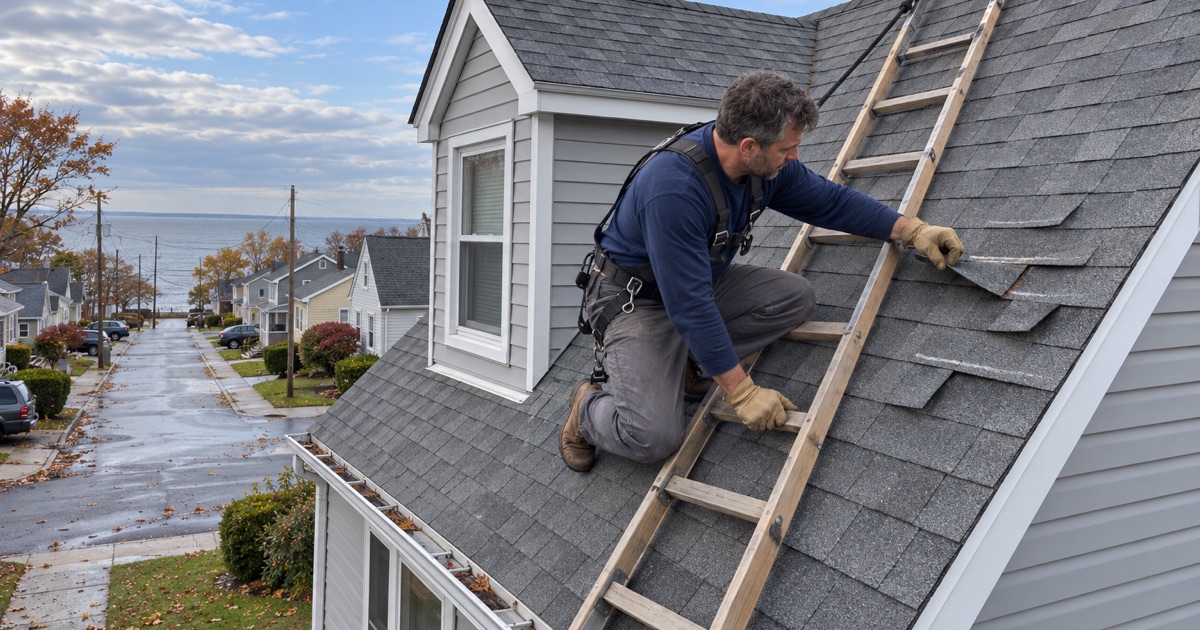
A tear-off starts with the dumpster placed where it will not crack the driveway and tarps over landscaping and windows. The old roofing comes off one section at a time, the decking is checked, then underlayment, drip edge, flashing and shingles go on. Each day ends with the yard, gutters and driveway cleaned and a magnet sweep for nails.
The Two-Layer Limit and Slate or Tile Tear-Off
New Jersey’s rehabilitation subcode, N.J.A.C. 5:23-6, does not allow a new covering over a roof that already has two or more layers, or over slate, wood shake or tile. Those roofs come off to the deck. Even where one overlay is allowed, we usually recommend a full tear-off, because it is the only way to see and repair the decking.
Do You Need a Permit to Replace Your Roof in New Jersey
Replacing the roof covering on a detached one- or two-family house is ordinary maintenance under N.J.A.C. 5:23-2.7, so no construction permit is needed. Townhouses, other attached and multifamily buildings and commercial roofs fall outside that rule and are permit work, as is structural repair to rafters or beams. We confirm which side of that line your building sits on first.
Choosing a Shingle Color for Your House
Shingle color should work with what will not change: the brick, the siding and the trim. Darker blends often suit red brick and white siding, while weathered grays and browns sit well on tan or earth-toned homes. We bring full-size samples so you can judge them against your own house in daylight rather than as a small chip under store lighting.
Attic Ventilation: Soffit Intake and Ridge Exhaust
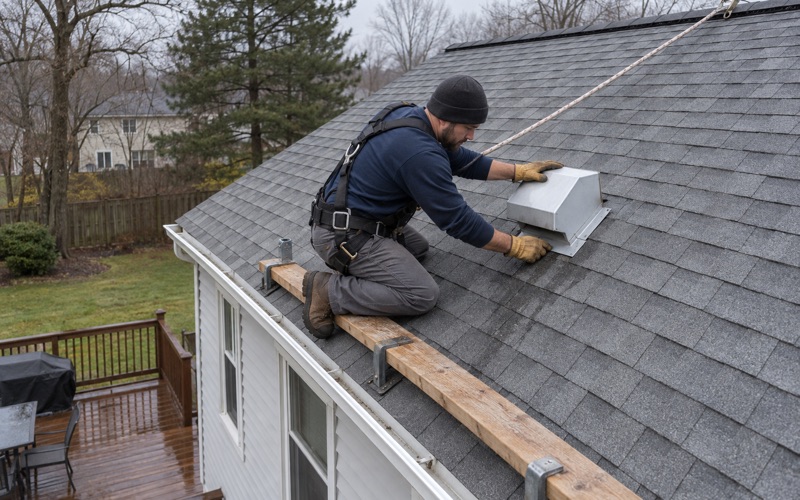
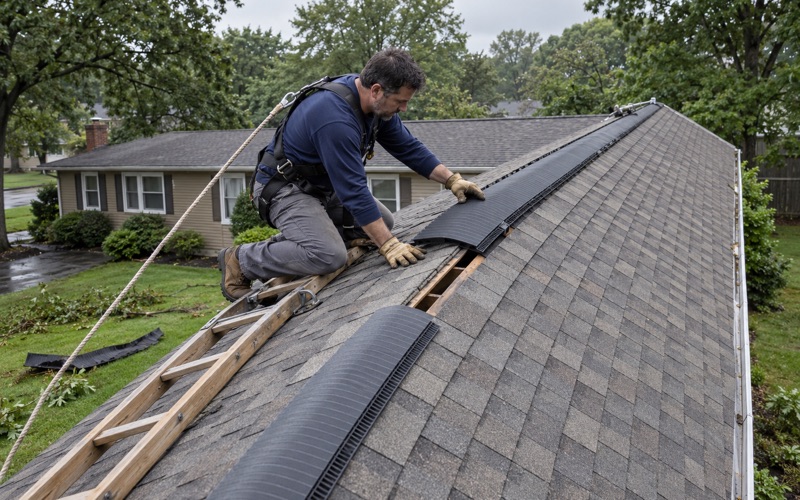
A roof ages from underneath when the attic cannot breathe: trapped heat bakes the shingles in summer and trapped moisture rots the decking in winter. On every replacement we check that soffit intake matches the ridge vent in net free area and that insulation is not blocking the soffits. A ridge vent with no intake does very little.
Replacing a Roof Under Solar Panels
If the roof under a solar array needs replacing, the panels have to come off and go back on, and that work has to be coordinated with the solar company. We build the removal and reinstall into the roofing schedule from the first conversation and flash the new mounts properly, so the job does not stall with the roof half done.
Townhouse Roofs and the Shared Wall Between Units
Townhouse roofs run across several units, so the line between your roof and your neighbor’s has to be tied in carefully at the party wall. We look at how the adjoining roof was built and match the transition so water cannot get under the joint. Because attached buildings need a permit, that step goes into the schedule from the start.
55+ Communities: Association Roof or Yours
In 55+ communities and condominiums, the roof may belong to the association, the owner, or be split between them, depending on the declaration and bylaws. We check those documents, or ask the manager, before writing an estimate. That keeps you from paying for work the association owes, or booking work the board has to approve first.
Houses from the 1960s and 1970s on Their Third Roof
Old Bridge grew fastest after the war: Census figures count 68.6 percent of its homes as built between 1950 and 1989, with 6,011 units from the 1960s alone. A house from that era may be on its third roof, sometimes with an old layer still underneath. We expect tired decking, undersized vents and old flashing on these homes and check for all three.
Laurence Harbor Roofs in a Coastal Flood Zone
Parts of Laurence Harbor along Raritan Bay sit in FEMA coastal flood zones, including VE and AE, and any one house’s zone is an address lookup rather than a guess. In those zones, a large roof project can count toward FEMA’s substantial improvement 50 percent rule. We help you assemble the cost figures the township’s floodplain review will ask for.
Selling a House: The Roof at the Buyer’s Inspection
A buyer’s home inspector will look at the roof, and an unexplained stain or curled shingle in the report can stall a sale. Before you list, we inspect the roof and write a condition report you can hand to the buyer’s inspector. If repairs make sense, you can make them before they turn into a negotiating point.